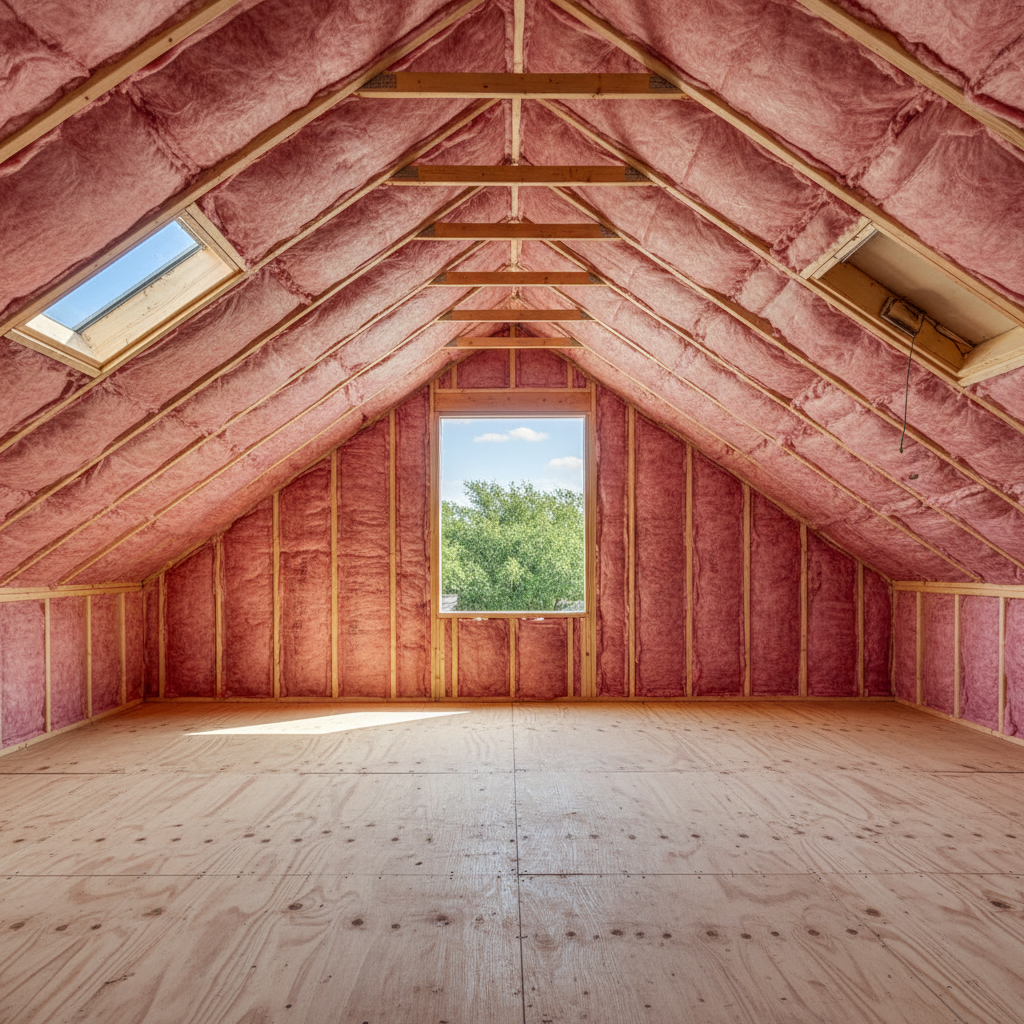
So, you're thinking about batt insulation for your Austin place. Maybe those energy bills are creeping up, or you've noticed a chilly draft or two. Smart move. Upgrading your insulation, especially with good quality batt products, can really make a difference in how comfortable your home feels and how much you spend on utilities. But, like any home project, it's not just about picking a material; you've got to plan it out right. Here's what I usually tell folks when they're getting ready to tackle something like this.
Figuring Out Your Project Timeline
Don't expect this to be an overnight thing, but it's usually not a multi-week saga either. For most average-sized homes here in Austin, putting in batt insulation often takes just one to three days. This really depends on a few things: how big your attic or crawl space is, how easy it is to get into, and if we're pulling out old insulation first. If we're just adding a fresh layer over existing, well-kept insulation, that'll go a lot quicker, of course.
You'll want to think about a few things when you're setting your own timeline:
- Getting Quotes: Give yourself a week or two to get three solid quotes. Seriously, don't rush this part.
- Scheduling: Good contractors are busy, especially during peak times like our brutal Austin summers or when a sudden cold snap hits. You might need to book them a few weeks out.
- Project Duration: Once the work actually starts, it's typically 1-3 days for a regular home.
From your first phone call to the finished job, you're probably looking at a 3-6 week window. So, plan ahead, especially if you're trying to beat the heat or the cold.
What Happens During Installation
When my crew, or any other reputable company, shows up, here's the general rundown:
First, we'll confirm exactly what we're doing. Are we just boosting the R-value, or is there old, maybe even nasty, insulation that needs to go? If it's a removal job, that's step one. We'll bring in specialized vacuums and equipment to safely get rid of the old stuff, bagging it up and hauling it away. This can be a dusty process, no doubt, but we're super careful to keep it contained.
Next, we get the area ready. That means sealing up any big air leaks we find in the attic floor—around plumbing stacks, electrical wires, and any spots where things poke through the ceiling. This is super important; insulation works best when air isn't just sneaking around it. We might use caulk or foam for this. Then, the batt insulation goes in. We cut it to fit snugly between joists, making sure there are no gaps. We're aiming for full coverage, especially in those tricky corners. If it's an attic, we'll be sure not to block any soffit vents, because good attic ventilation is crucial, especially with our hot, humid Austin weather.
It's going to be a bit noisy, especially if we're doing a removal. You'll hear vacuums, cutting, and people moving around above your head. We try to be as considerate as possible, but hey, it's a construction project.
How to Get Your Home Ready
You can make things a lot smoother for everyone involved:
- Clear the Attic/Crawl Space: If you've got boxes, old holiday decorations, or anything else stored up there, get it out. We need a clear path to work both efficiently and safely.
- Protect Valuables: While we're always careful, it's a good idea to cover any furniture or sensitive items directly below the attic access point with drop cloths.
- Provide Access: Make sure the attic hatch or crawl space entry is easy to get to. Move any furniture that might be blocking it.
- Keep Pets Secure: For their safety and ours, please keep your pets in a separate, secure area away from the work zone.
- Communicate: If you have any specific worries or areas you want us to pay extra attention to, just let us know upfront.
Questions to Ask Before You Sign Anything
Don't just jump on the first quote you get. Ask these questions:
- What R-value are you putting in, and what R-value does my home's climate zone actually need? (For Austin, we're usually talking R-38 to R-60 in attics.)
- Are you taking out my old insulation, or just adding to it? What exactly does the removal process include?
- Will you air seal my attic or crawl space before you install the new insulation? This is a big one. If they don't bring it up, ask them why not.
- What kind of batt insulation are you using (fiberglass, mineral wool, etc.), and what are its fire safety ratings?
- How will you make sure my attic still gets proper ventilation after you put in the insulation? We really don't want those soffit vents blocked.
- What kind of warranty do you offer on the materials and the labor?
- Are you licensed and insured in Texas? Can I see proof? Don't skip this step, ever.
- What's the total cost, and what's the payment schedule? Are there any hidden fees? Get absolutely everything in writing.
Taking the time to ask these questions and get your home ready will save you a lot of headaches later on. A good insulation job, whether it's with batt or even something like spray foam from Austin Spray Foam Solutions, is an investment in your home's comfort and efficiency. Do it right the first time, okay?