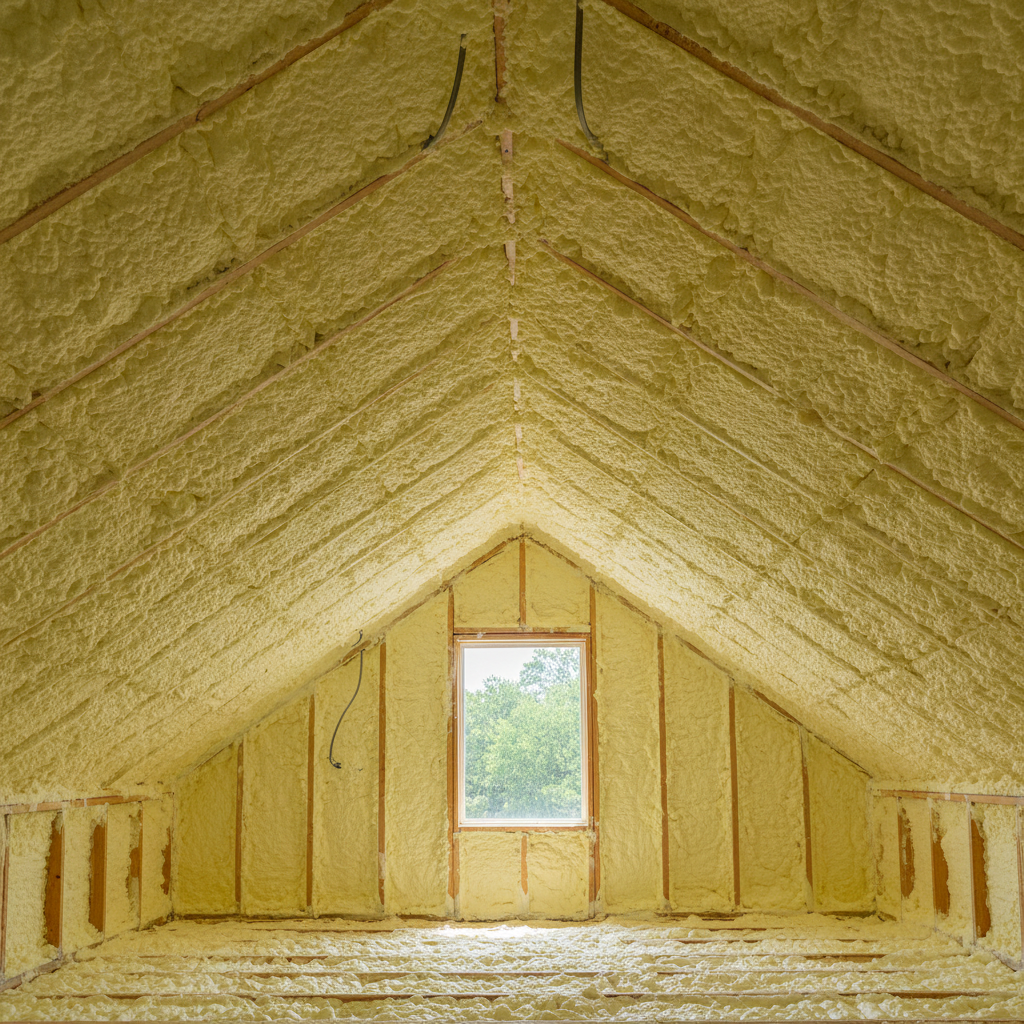
So, you're looking into open-cell spray foam for your Austin home. That's a smart move, honestly. It works wonders in attics and walls, and it can really slash your energy bills while making your place feel a lot more comfortable. But, you know, I've seen folks stumble over some pretty common things when they're planning these projects or hiring someone. Let's chat about what to watch out for, so you don't end up kicking yourself later.
Mistake #1: Not Really Grasping 'Open-Cell'
Okay, this might sound super basic, but it's actually vital. Open-cell foam isn't the same as closed-cell. It's lighter, less dense, and here's the big one: it lets moisture pass right through it. That's fine if you're putting it in a conditioned attic. But if you're thinking about insulating a crawl space or a wall that might get a lot of water exposure — like a basement wall that isn't properly waterproofed — you're setting yourself up for trouble. Open-cell foam can soak up water, and believe me, you do not want that inside your home's structure. Always think about where the foam is going and how much moisture it might encounter. Don't just assume "spray foam is spray foam." They're really different tools for different jobs, you know?
Mistake #2: Skipping the Air Sealing First
This is a huge one. It's where a lot of contractors cut corners, or homeowners just don't get how important it is. Spray foam, especially the open-cell kind, makes an amazing air barrier. But it can't fix everything. Before any foam goes in, you absolutely have to seal up all the big holes and gaps. Think about plumbing penetrations, electrical chases, chimney chases, and any other pathways where air can move between your house and the attic or outside. If your contractor just sprays over these without pre-sealing, you'll still have air leaks. It's like putting a tiny band-aid on a gushing wound. A good contractor will either include this prep work in their quote or, at the very least, explain why it's so necessary. If they don't bring it up, that's a definite red flag.
Mistake #3: Only Looking at the Cheapest Price
I get it, really. Money matters, especially when you're doing home improvements. But with spray foam, the cheapest bid usually means the cheapest job. You're not just paying for the material itself; you're paying for expertise, proper application, and quality control. A low bid might mean they're using less material than recommended, skipping site prep, or even using an inferior product. Or maybe they're rushing the job, which often leads to inconsistent coverage and voids. You want an even, consistent layer of foam. If it's patchy or too thin in spots, you won't get the R-value you're paying for, and you'll still have hot spots in your house. Here at Lone Star Spray Foam Insulation, we always stress getting it right the first time.
Mistake #4: Forgetting About Ventilation (Especially in Attics)
This circles back to the moisture issue. If you're bringing your attic into the conditioned space by putting open-cell foam on the roof deck, you're changing how that attic "breathes." You might be sealing off existing vents. That's usually fine, but you need to make sure any potential moisture still has a way out. Sometimes, this means adding a small dehumidifier or making sure your HVAC system's return air is properly sealed and sized for the new space. In our humid Austin climate, especially during those long, muggy summers, managing moisture is absolutely critical. You don't want mold growing in your newly insulated attic because you trapped all that humidity in there. Talk to your contractor about the whole system, not just the foam itself.
Mistake #5: Ignoring Off-Gassing and Curing Time
Open-cell spray foam, like any chemical product, needs time to cure and off-gas. This isn't a huge deal if it's done correctly, but it's definitely something to be aware of. You really don't want to be in the house, especially if you're sensitive to smells, right after it's applied. A reputable contractor will tell you exactly how long you need to stay out — usually 24 to 48 hours. They should also make sure there's good ventilation during and immediately after application. Don't let anyone tell you it's okay to sleep in the house the same night. That's just not good practice, and it could lead to discomfort or even health issues for some folks.
Doing your homework and asking the right questions can save you a ton of headaches and money later on. Don't be afraid to really dig into the details with your contractor. It's your home, after all, and you deserve a job done right.