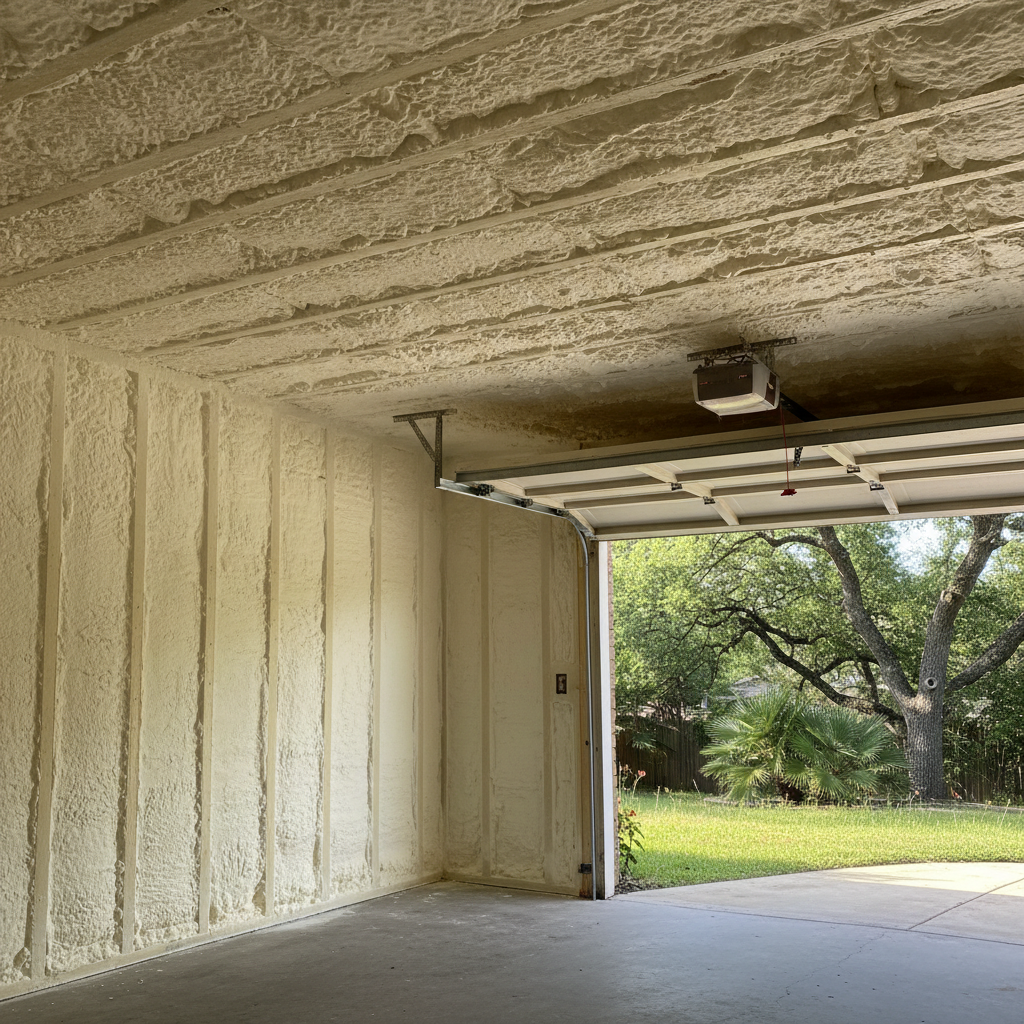
You put money into insulating your garage, which is a smart move here in Austin. Whether you use it for a workshop, a home gym, or just to keep your cars from turning into ovens, that insulation really does make a difference. But like anything else in your house, it's not something you can just install and forget about. You've got to give it a little attention to make sure it keeps working hard for years to come. Here's what I usually tell folks about keeping their garage insulation in tip-top shape.
Make It Last: Guard Your Investment
The main thing you can do to make your garage insulation last longer is to keep it safe from damage. Sounds obvious, right? But you'd be surprised. If your insulation is exposed, like fiberglass batting in a garage that hasn't been finished, it's pretty vulnerable. A stray basketball, a ladder bumping into it, or even just leaning stuff against it can squish it down or tear it. Once that happens, its R-value drops, and it just won't insulate as well.
Spray foam is a bit tougher, sure, but it's not indestructible. Sharp objects can still gouge it. If you're working in the garage, especially with big items or power tools, just be aware of where your insulation is. Maybe think about putting up a thin layer of plywood or OSB over any exposed spots if you're always knocking into things. It's a small cost upfront that could save you a real headache later on.
Pest control is another huge one. Rodents and insects just love to nest in insulation, particularly fiberglass. They'll chew it up, make a huge mess, and mess with how well it insulates. So, make sure your garage is sealed up as tightly as you can. Look for gaps around pipes, vents, and even the garage door itself. Having a good pest control plan for your whole house helps here, too.
Regular Check-Ups: A Quick Look-See
You don't need to be a pro to give your garage insulation a quick once-over. I suggest doing this once or twice a year, maybe when you're cleaning out the garage or doing other seasonal home maintenance. It really only takes a few minutes.
- Look at it: Just give it a good visual inspection. Does it still look like it did when we put it in? Are there any obvious gaps, tears, or spots that look squished? If you have spray foam, check for cracks or crumbling bits.
- Feel for moisture: This is super important in our humid Austin climate. Feel around the insulation, especially near the ceiling, windows, or any outside walls. Is it damp? Does it smell musty at all? Any water stains on the walls or ceiling near the insulation are a definite red flag. Water is basically the arch-enemy of most insulation types, especially fiberglass and cellulose, because it seriously cuts down their effectiveness and can lead to mold.
- Check for pests: Look for droppings, nests, or areas that look chewed up. If you spot signs of critters, you need to deal with that fast before they cause even more damage.
- Air leaks: On a windy day, or if you've got a fan blowing from outside, you might be able to feel drafts coming through gaps around the insulation. This is especially true near the garage door frame or where walls meet the ceiling. Even tiny leaks can let in a lot of that hot, sticky Texas air.
Signs of Trouble: Don't Ignore These
Your insulation usually clues you in when something's wrong, if you know what to look for. Don't just brush these off:
- Suddenly different temperatures: If your garage feels way hotter or colder than it used to, and you haven't changed anything else, your insulation might be giving up.
- Higher energy bills: If your home's energy bills suddenly jump, and you can't figure out why, the garage insulation could be the problem. This is especially true if your garage is attached and unconditioned air is sneaking into your living areas.
- Musty smells: This almost always screams moisture or mold. Seriously, don't ignore it. Mold can spread, and it's not good for your health.
- Visible damage: Obvious tears, sagging, or big gaps are clear signs that your insulation isn't doing its job. For spray foam, look for spots that have pulled away from the wall or ceiling, or large cracks.
- Seeing more pests: If you're noticing more mice, rats, or insects hanging out in your garage, they might be finding a nice, cozy home (and food) within your insulation.
When to Call a Pro: Some Things Aren't DIY
Listen, I'm all for homeowners tackling projects, but some things are just better left to the experts. When it comes to your garage insulation, you should absolutely call someone like us at Lone Star Spray Foam Insulation if you see:
- Lots of water damage or mold: This isn't just about swapping out insulation; you need to find the leak's source, fix it, and safely get rid of the mold. Trust me, you don't want to mess with mold yourself.
- Major pest problems: If you've got a serious rodent issue that's ruined big chunks of insulation, you'll need professional pest control first, then we can talk about repairing or replacing the insulation.
- Significant structural problems: If your insulation issues are connected to a sagging ceiling, cracks in the walls, or other structural worries, you need a general contractor or structural engineer, not just an insulation installer.
- Stubborn air leaks: If you've tried to seal small gaps and you're still feeling major drafts, especially around the garage door or where the garage meets the main house, a professional can often pinpoint and seal these much better—sometimes even using thermal imaging.
- Old, worn-out insulation: If your insulation is just ancient, crumbly, or falling apart, it's probably time for an upgrade. Modern insulation, especially spray foam, works way better and lasts longer than older stuff.
Taking a little time to check on your garage insulation can save you a ton of money and discomfort down the road. Keep an eye on it, fix small issues quickly, and don't hesitate to call in the experts when you need them. Your garage (and your wallet, for that matter) will definitely thank you.