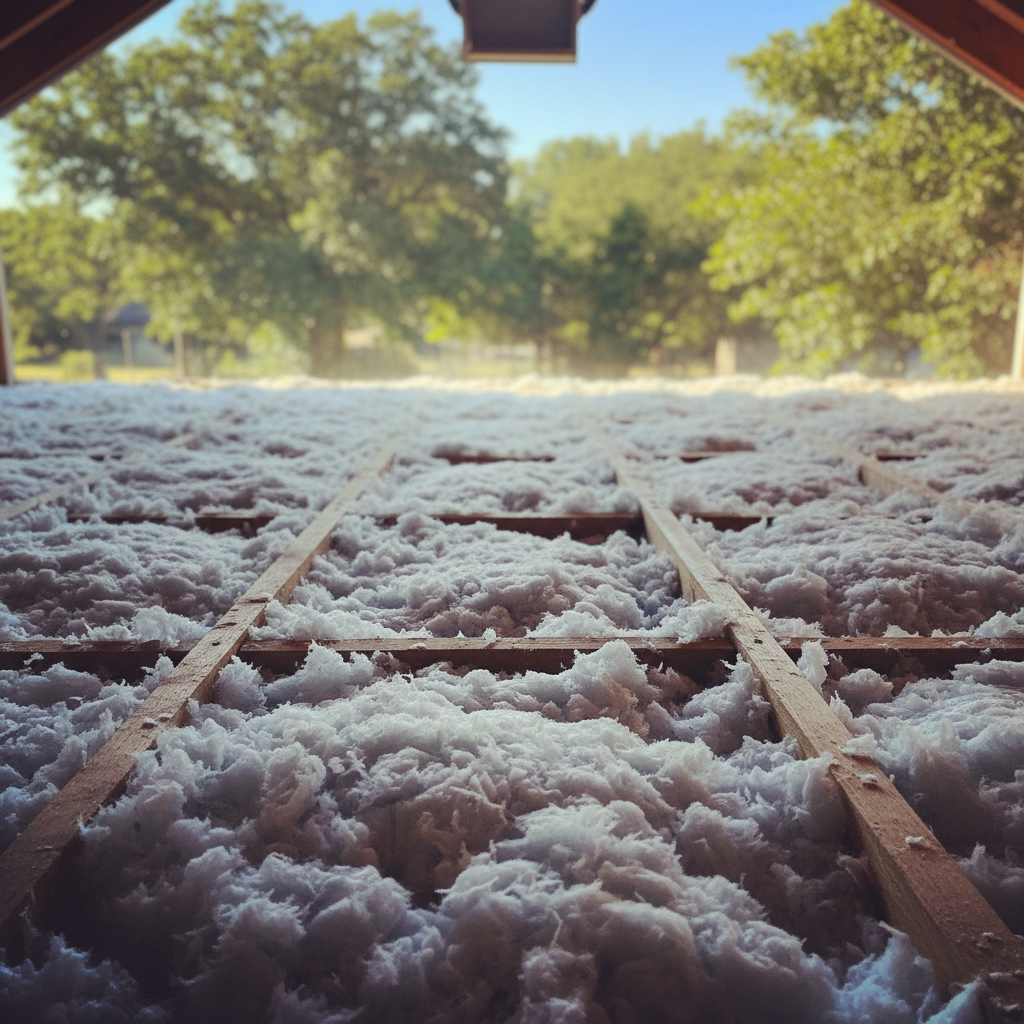
So, thinking about yanking out that old insulation yourself?
I totally get it. Home projects can feel really good, and saving a few bucks? Always a win. But when it comes to pulling out old insulation, especially from an older Austin home, there's way more to think about than just grabbing a shovel and some trash bags. This isn't like painting a wall, you know? It can get messy, dusty, and honestly, pretty dangerous in a hurry. Let's chat about what you can realistically tackle and when you absolutely, positively need to pick up the phone and call a pro.
Why are you even taking it out?
Before you even think about strapping on a respirator, ask yourself: why does this insulation need to go? Is it just old, worn-out fiberglass that's lost its R-value? Did a roof leak drench everything? Or maybe you've got some unwelcome guests – rats, raccoons, bats – who've turned your attic into their personal hangout spot (and restroom, yuck)? The reason you're removing it tells you a lot about the job ahead and what precautions you'll need.
- Water Damage: If your insulation is soaked, it's not just heavy; it's a perfect breeding ground for mold and mildew. You'll obviously need to fix the leak first, but then the removal has to be super careful to avoid spreading those nasty spores everywhere.
- Pest Infestation: This is a big one. Animal droppings and urine aren't just gross; they can carry diseases like hantavirus. You really don't want to stir that stuff up without the right gear and a solid plan for cleaning everything.
- Age/Inefficiency: Sometimes, old insulation just doesn't do the job anymore. Maybe it's settled, or it's an outdated material like vermiculite (which can contain asbestos – we'll get to that in a sec). If it's just old, dry fiberglass or cellulose, it's generally less risky, but still a massive pain to remove.
What you might be able to DIY (but with serious caution)
If you're dealing with insulation that's pretty clean, dry, hasn't been infested, and isn't hazardous (think modern fiberglass batts or blown-in cellulose that's just old), and you're physically up for the challenge, you *might* be able to handle it yourself. Here’s what that kind of job looks like:
- Gear Up: This isn't optional, folks. You need a good quality respirator (N95 at minimum, P100 is better), disposable coveralls with a hood, gloves, and eye protection. Trust me, you don't want insulation fibers or dust in your lungs, on your skin, or in your eyes.
- Containment: Lay down tarps or plastic sheeting. Start from your attic access point and go all the way to your front door. You're going to make a mess, and you absolutely don't want to track it through your house. Also, seal off any HVAC vents and doorways in the work area.
- Tools: Grab some heavy-duty trash bags (contractor bags are best), a shop vac with a HEPA filter, and maybe a rake or shovel for any loose fill.
- Work Smart: Don't overfill those bags; they'll get heavy fast. Work in small sections. And be super careful where you step in the attic – always stick to the joists! Falling through a ceiling? That's a truly terrible day.
Even for a relatively 'safe' DIY job, it's still back-breaking, sweltering work, especially in an Austin attic during, well, any month that isn't December or January. Our attics here can easily hit 130 degrees. You'll need tons of water and frequent breaks, no kidding.
When you absolutely need to call a pro
Look, I'm all for homeowners tackling projects, but some jobs are just too risky or too big for a weekend warrior. Insulation removal often fits that description, especially if any of these sound familiar:
- Asbestos or Vermiculite: If your house went up before the 1990s, there's a chance you've got vermiculite insulation, which often contains asbestos. You cannot, under any circumstances, remove this yourself. It takes specialized training, equipment, and specific disposal rules. Get a professional to test it first.
- Mold or Extensive Water Damage: If you've got a lot of mold growing, you need remediation experts. Messing with mold without proper containment and air scrubbing can spread spores all over your home, making everyone sick.
- Heavy Pest Infestation: Animal waste isn't just gross; it's a biohazard. Professionals have the right gear and the disinfectants to safely remove contaminated insulation and sanitize the whole area. We're talking industrial-grade vacuums and foggers, not just your average shop vac.
- Crawl Spaces: If you're dealing with a nasty crawl space, that's a whole different ballgame than an attic. Tight quarters, potential moisture problems, and often more critters make it a job for the pros.
- You Just Don't Want To: Honestly, this is a perfectly valid reason. It's a dirty, unpleasant, and potentially dangerous job. Sometimes, your time and health are worth more than the money you'd save trying to do it yourself.
After the removal: What's next?
Once the old stuff is gone, you'll want to thoroughly clean the area. A HEPA-filtered shop vac is essential. If there was pest contamination, the area needs disinfecting. Sometimes, we'll apply an encapsulant or odor barrier. Then, of course, it's time for new insulation.
This is where companies like Austin Spray Foam Solutions come in. We can handle the whole process, from safely removing hazardous materials to installing high-performance spray foam insulation that'll make a real difference in your energy bills and comfort, especially with those brutal Austin summers. We've seen it all, from historic bungalows in Hyde Park with ancient blown-in stuff to brand new builds with shoddy installs, and we know how to get your attic or crawl space ready for a fresh start.
Don't underestimate insulation removal. It's not a glamorous job, but doing it right is crucial for your home's health and your family's safety. Be honest with yourself about what you can handle, and don't hesitate to call in the experts when you need to.