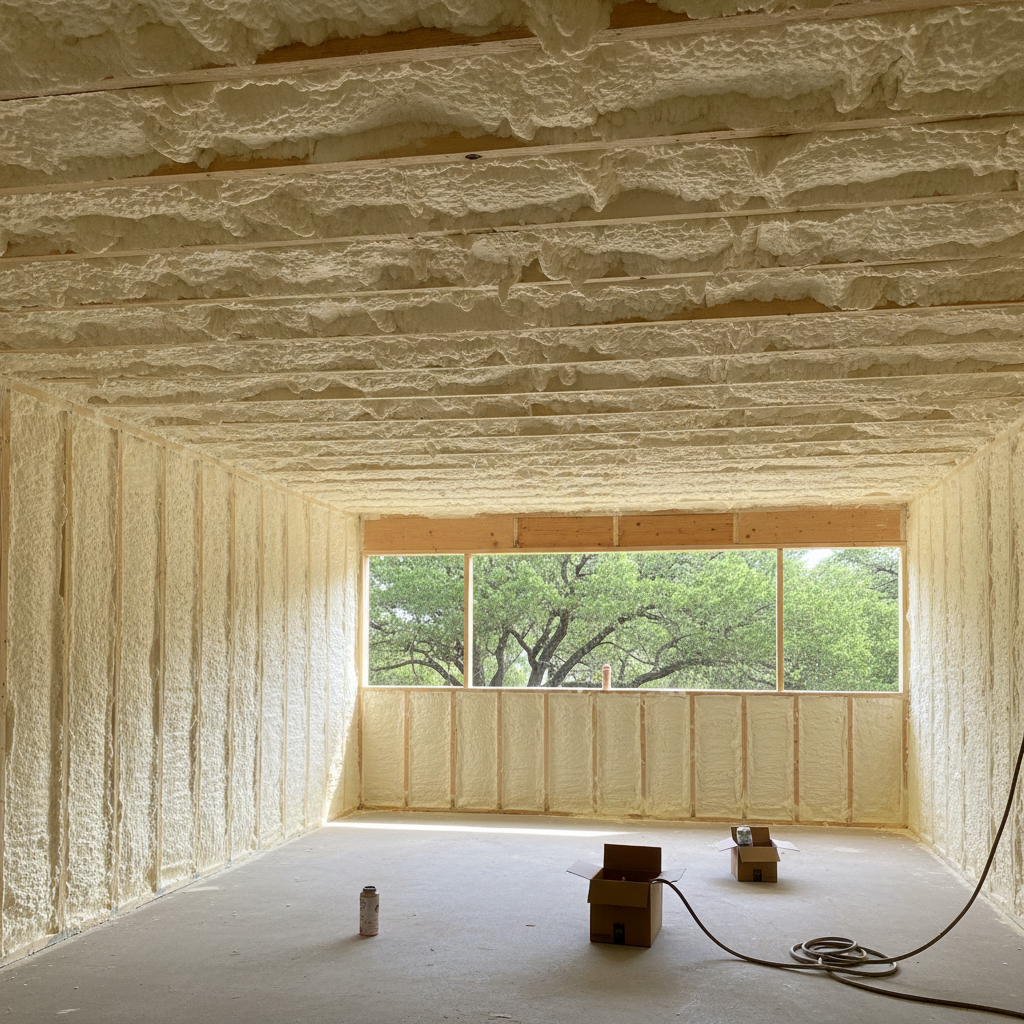
Some basements in places like Tarrytown or Hyde Park feel like an icebox while others stay comfortable year-round because of how the insulation project was planned. Most homeowners around here do not deal with traditional subterranean basements since our Hill Country limestone and clay soils dictate a lot of our foundation types, but for those who do have a basement or a deeply sunken lower level, the mistakes contractors and homeowners make are very costly.
Treating a Texas basement like it is built in Ohio is a major trap. Our humidity and heat are completely different. If you hire a crew that does not understand local moisture dynamics, you are heading for trouble.
Skipping the Moisture Assessment First
The single worst thing you can do is slap Insulation onto a basement wall without checking for water intrusion. Austin gets some torrential downpours that saturate our heavy clay soil, pushing hydrostatic pressure straight against foundation walls. If you trap moisture behind fiberglass or poorly installed foam, mold is going to take over very quickly. Lone Star Spray Foam Insulation always recommends solving drainage and moisture issues on the outside before you ever think about putting Insulation on the inside.
Going the Cheapest Route on Materials
Home renovations add up fast. But trying to save a buck by using cheap materials in a below-grade space will cost you double later. Standard batt Insulation absorbs water like a sponge. Once it gets damp from concrete humidity, it sags, loses its R-value, and stinks. Lone Star Spray Foam Insulation usually points homeowners toward closed-cell spray foam for below-grade applications because it acts as both an air barrier and a vapor retarder, keeping that stubborn Texas humidity from condensing against your cool concrete walls.
Failing to Verify Contractor Licensing and Local Experience
Too many people click the top sponsored link and hire the first outfit that answers the phone. You want someone who actually knows Austin building codes and understands how local weather swings affect homes. Ask for proof of insurance, local references, and specific experience with basement or sub-grade retrofits. If they hesitate, show them the door.
Planning this project right the first time saves you from tearing things down two years later. Take your time, get multiple bids, and make sure whoever you hire respects the unique quirks of building down here in Central Texas.