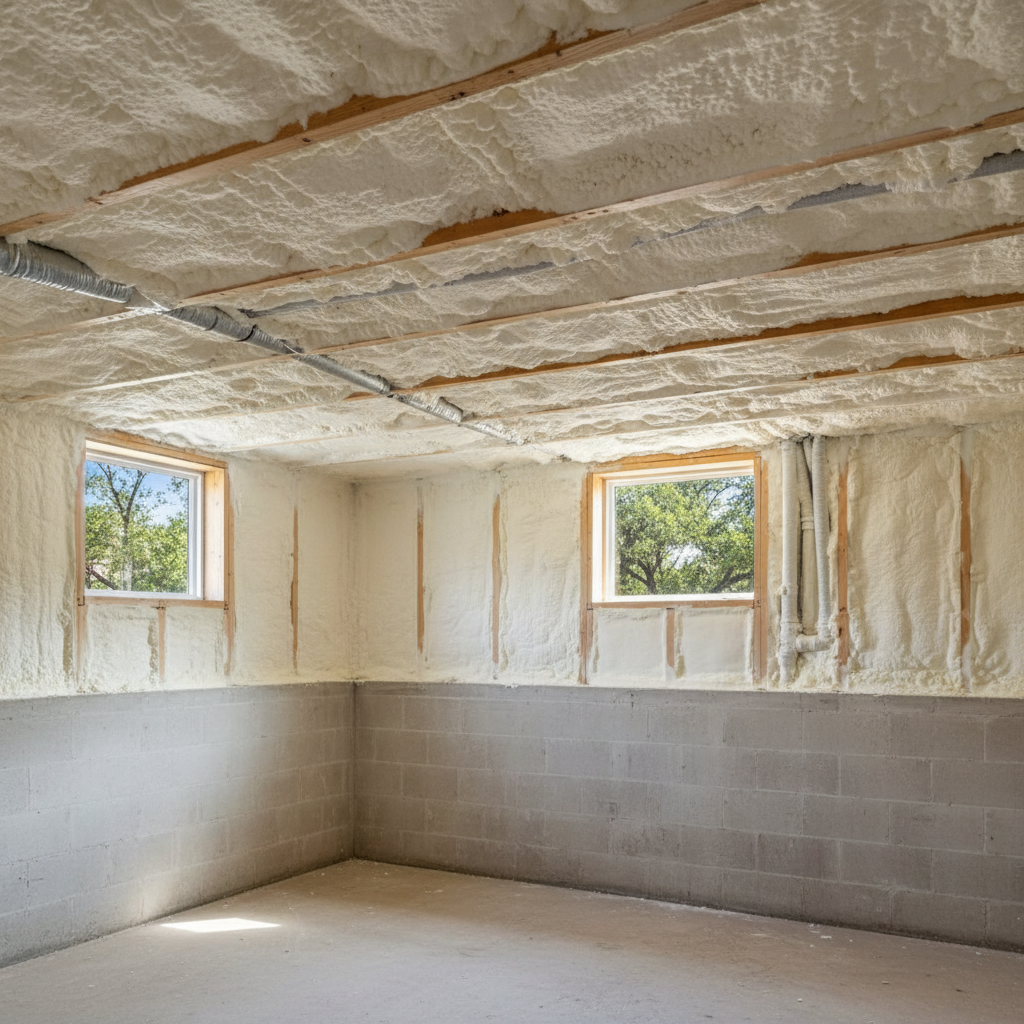
Your Basement Insulation Isn't Bulletproof: Here's How to Keep It That Way
So, you've got a finished or unfinished basement here in Austin, and you've already put in some good insulation. Maybe it's spray foam, or rigid board, or even some of those traditional batts. Whatever you picked, you're probably thinking, "Great, that's done, I never have to think about it again." Well, I'm here to tell you that's a pretty common misunderstanding, especially with our unique climate. Your insulation, just like your HVAC or your roof, really benefits from a little attention to keep it working well and make it last longer.
We don't get those deep, cold winters like folks up north, but our humidity and those sudden, heavy downpours can be brutal on anything below ground. Here's what I've seen over the years, and what you really need to know to protect your investment.
Extending the Life of Your Basement Insulation
The biggest enemy of basement insulation, especially here in Austin, is moisture. It's not just about a big flood, you know? It's the constant dampness, the condensation, and those slow, sneaky leaks that really cause damage over time. Here’s how you can fight back:
- Manage Exterior Drainage: This is huge, honestly. Make sure your gutters are clean and actually draining *away* from your foundation. Downspouts should stretch at least five feet from the house. If you see water pooling near your foundation after a rain, you've got a problem. Eventually, that will affect your basement. I’ve seen homes in Zilker where the soil’s expansive clay just holds onto water, pushing it right up against the foundation.
- Control Interior Humidity: Even if your basement feels dry, the air itself can still be humid. A good dehumidifier, especially during our long, sticky summers, can make a world of difference. Try to keep it between 30-50% relative humidity. This stops mold from growing on surfaces and keeps your insulation from soaking up too much moisture.
- Seal Air Leaks: Insulation slows down heat transfer, sure, but air leaks let conditioned air escape and unconditioned, humid air sneak right in. Check around windows, doors, and any spots where pipes or wires go through. A little caulk or expanding foam can go a long way.
- Protect Against Pests: Rodents and insects absolutely love insulation for nesting material. Keep your basement clean and seal up any entry points. If you've got a crawl space, make sure it's properly sealed and vented (or even better, encapsulated).
Regular Maintenance: What to Look For
You don't need to be down there every single week, but a quick check-up once or twice a year is a smart move. I usually tell folks to do it when they're changing their HVAC filters.
- Visual Inspection: Just look at the insulation itself. Does it seem compressed, wet, or discolored? Are there any gaps where it's pulled away from the walls or rim joists? For spray foam, it should be stuck on uniformly and feel solid. Batts, on the other hand, should be fluffy and dry.
- Check for Water Stains: Look on the walls, floors, and the insulation for any signs of water. Even old, faded stains can point to a past problem that might just pop up again.
- Smell Test: Does it smell musty or damp? That's a classic sign of mold or mildew, even if you can't see it yet.
- Pest Activity: Look for droppings, nests, or insulation that looks like it's been chewed on.
- Air Flow Around Vents/Ducts: Make sure insulation isn't blocking any vents or those return air ducts.
Warning Signs That Something's Wrong
These are the red flags, the things that tell you your insulation might be compromised or that you've got a bigger problem brewing:
- Higher Energy Bills: If your heating or cooling bills suddenly jump without you using more energy or the weather changing, your insulation might not be doing its job.
- Cold or Damp Walls: Touch your basement walls. If they feel noticeably colder or damp than they used to, that's definitely a problem.
- Visible Mold or Mildew: Any fuzzy growth on walls, floors, or the insulation itself is a clear sign of too much moisture. Don't ignore it.
- Pest Infestation: If you're seeing more bugs or rodents in your basement, they might be making a home right in your insulation.
- Sagging or Falling Insulation: Batts can sag over time, especially if they've gotten wet. Spray foam shouldn't sag at all, so if it does, something’s seriously wrong.
When to Call a Professional
Look, some things you can absolutely handle yourself, but others really do need an expert. Don't hesitate to call someone if:
- You find significant water intrusion: A persistent leak or standing water isn't something you should try to patch up yourself. You need to find the source and fix it right before you even think about the insulation.
- There's extensive mold growth: Small spots you can probably clean with bleach, but if it's widespread or you're just not sure, a mold remediation specialist is a must. You really don't want to mess with airborne spores.
- Your insulation is severely damaged or missing: If large sections are falling apart, soaked, or just gone, you'll need a professional assessment and replacement. This is where companies like Austin Spray Foam Solutions can really help, especially if you're thinking about upgrading to something more resilient.
- You suspect structural issues: Cracks in the foundation, bowing walls, or other major structural concerns need a structural engineer, not just an insulation contractor.
- You're not sure what you're looking at: If you see something weird and you're not confident in diagnosing it, just call. It's always better to get a professional opinion early than to let a small problem turn into a huge, expensive one.
Your basement insulation is a really critical part of your home's comfort and how much energy it uses. A little proactive care goes a long way in keeping it effective for years to come. Don't wait until you've got a damp, musty mess on your hands.